
Highly Refined Carbs & Fiber
Simple versus Complex Carbs
Carbohydrates (carbs) are one of the three macronutrients (along with protein and fats). Most carbs provide 4 calories per gram while fiber has 0 calories. Virtually all carbs, and fiber, come from plants. Generally, when someone refers to a “simple carb” it means one with a high glycemic index (see below) usually with little or no fiber. In contrast, a “complex carb” is one with a low glycemic index; fiber is usually the component that makes the carb complex and more slowly digested.
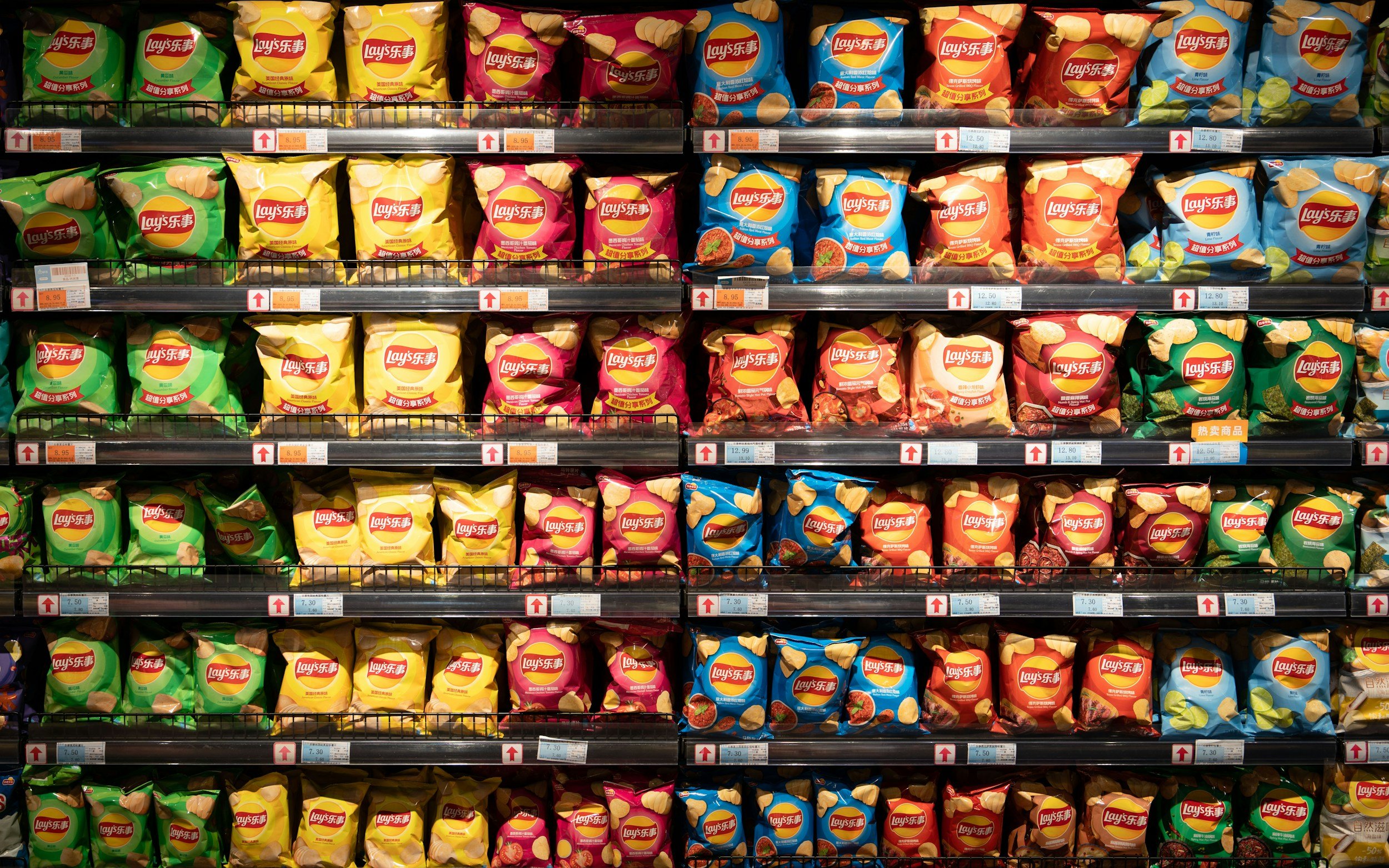
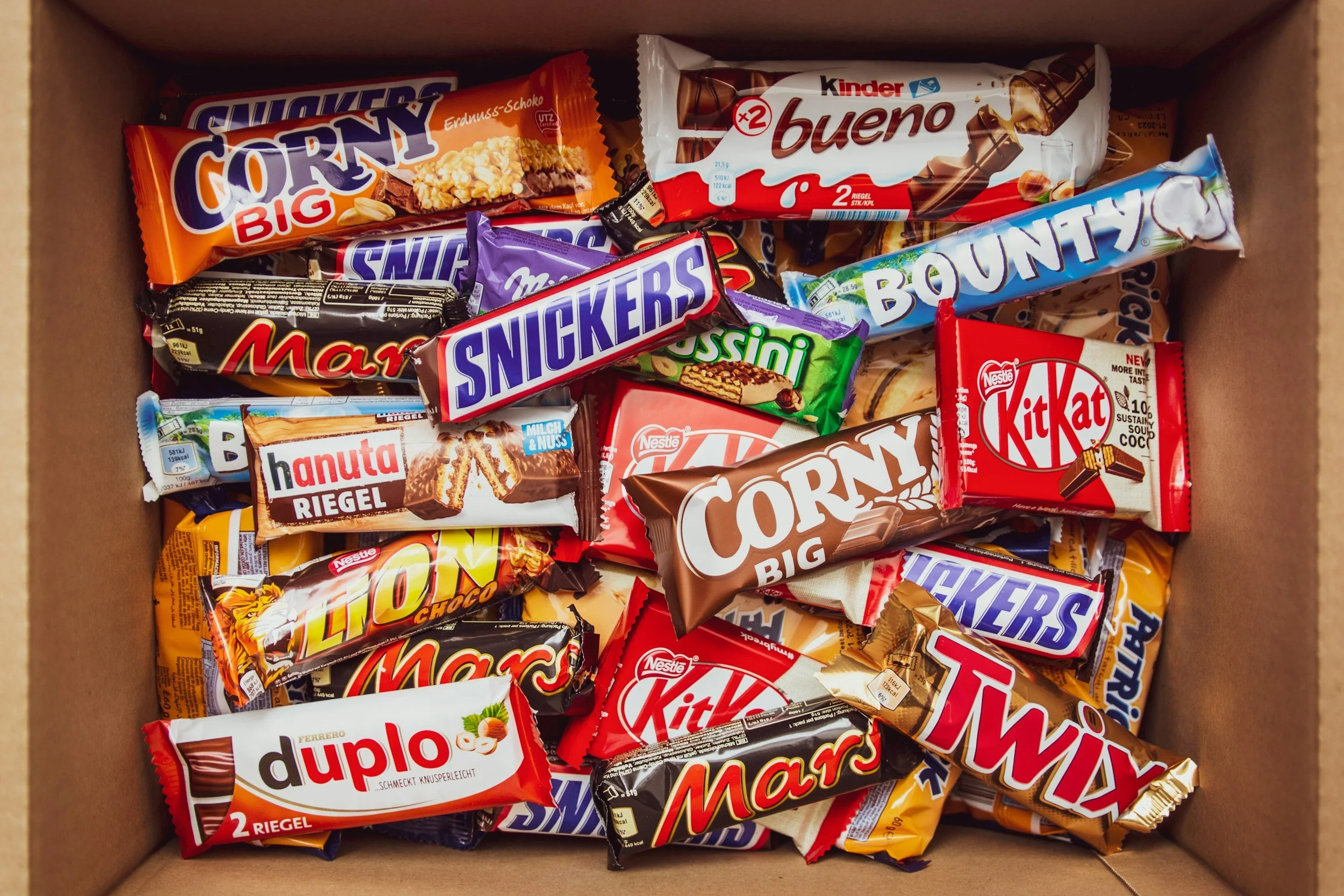
Highly Refined/Processed Foods
My discussion here applies to any highly processed food (carbs and proteins); later I focus on carbs.
25 years ago, if you had used the words “highly refined” or “highly processed” foods, I would have considered that “hippie talk”. Today, I believe highly refined foods represent the biggest dietary problem in the US and much of the world.
The part of the processing that causes my greatest concern is what is removed and what is added. While loss of micronutrients and phytochemicals is relevant, removal of fiber is the critical factor for many highly processed foods. Unfortunately, this is often done even with minimal processing such as occurs with creating white rice (1/6 the fiber of brown rice) or white flour.
The most important items that are added are: sugar, fat, salt, preservatives & other chemicals. For example, ultra-processed foods represent 60% to 70% of American food consumption and account for about 90% of the added sugars Americans eat.
This creates a deadly one-two punch to sound nutrition from many highly processed foods. First glycemic index is increased by removing the fiber from highly processed carbs and second glycemic index is increased by adding sugar.
Health Effects. High levels of ultra-processed food consumption is associated with a range of adverse health outcomes, including:
obesity,
metabolic syndrome,
heart disease,
cerebrovascular disease,
depression and anxiety,
inflammation disorders,
cancer, and
mortality from all causes.
Fiber and Glycemic Index
Glycemic index is measured as the level of blood sugar (glucose) two hours after consuming a food. High glycemic index foods are bad for you since they trigger spikes in blood sugar, followed by a later increase in insulin, followed by a fall in blood sugar, followed by cravings for more food. This cycle contributes to obesity and type II diabetes. High glycemic index foods include sugars (e.g., regular soda) and highly processed carbs that exist in white breads and snack foods.
Four categories of foods reduce Glycemic Index (in order of importance):
Fiber,
Protein,
Fat, and
acidic foods.
As the list suggests, fiber is the most important of these since it slows digestion and makes one feel full longer. This creates a more stable blood glucose over time with lower glucose spikes and dips (and commensurate swings in insulin).
Americans Don’t Get Nearly Enough Fiber
Dietary health guidelines for adults recommend eating 14 grams of fiber for every 1,000 calories consumed (g/1,000 kcal) or about 1 gram per 70 calories consumed. (Dietary Guidelines for Americans, 2020-2025.)
“Only 5% of men and 9% of women are getting the recommended daily amount of dietary fiber” according to a study being presented at NUTRITION 2021 LIVE ONLINE. On average, women in the study consumed 9.9 g/1,000 kcal and men consumed 8.7 g/1,000 kcal. Among those with diabetes, women consumed 10.3 g/1,000 kcal and men consumed 9.6 g/1,000 kcal, higher than average but still falling short of recommendations.”
Health Benefits of Fiber. Insufficient fiber intake is associated with a higher risk of heart disease and diabetes, two of the most common diseases in the U.S. … Studies suggest dietary fiber can help lower cholesterol, blood pressure and inflammation and help prevent diabetes. It can also improve blood sugar levels for people with diabetes.
The researchers analyzed data from more than 14,600 U.S. adults who participated in the National Health and Nutrition Examination Survey (NHANES) between 2013-2018. Fiber intake was assessed using dietary questionnaires; diabetes status was self-reported and also assessed with hemoglobin A1c (HbA1c) levels. Researchers only analyzed fiber intake from dietary sources, excluding fiber supplements.”
“Net Carbs” Understates The Value of Fiber. Net Carbohydrates (net carbs) is defined as grams of carbohydrates minus grams of fiber. For example, a food item with 10 grams of carbs and 3 grams of fiber has 7 net carbs.
The static (non weight-gaining nor weight-losing) suggested grams of carbs per day is 225 to 325 (How many carbs should I eat a day? (medicalnewstoday.com) or How Many Carbs To Eat to Lose Weight – Cleveland Clinic). Compare two meal plans: A) 300 grams of carbs with 40 grams of fiber; or B) 270 grams of carbs with 10 grams of fiber. Both have “net carbs” of 260, but A provides more fiber than the recommended minimum and while B provides far less than the fiber minimum.
For the average American, they are consuming 25 times as many grams of carbs as they are consuming fiber, but the “net carb” calculation treats carbs and fiber as approximately equal.
Sources of Fiber
There are two types of fiber, soluble and insoluble. Soluble fiber attracts water and slows digestion (more than insoluble fiber). Insoluble fiber provides bulk (and helps promote healthy lower GI). Good sources of soluble fiber include beans (and other legumes), many veggies, and whole grains (oats are the best of the whole grains). Good sources of insoluble fiber include seeds, nuts, and darky leafy veggies. Both soluble and insoluble fiber are important.
*When to Eat Fiber
It is critical to break any fast with a meal that includes fiber and protein. If you eat ONLY a high glycemic index food to break a fast your blood sugar spikes, insulin spikes with a lag (say 1 hour later) your blood sugar drops (below your fasted level). Because fiber slows digestion and makes you feel full longer – it is important to eat fiber with, or right before, other food.
Example Meals
Below I list seven sample “meals” with a focus only on fiber; I ignore other nutritional aspects of the meals.
IHOP Strawberry Bannana Waffles & ¼ cup syrup
IHOP 12 oz T-bone with mashed potatoes and broccoli
Chili’s Southwest chicken Caesar salad & 2oz Caesar dress
Home: Fried egg sandwich with 2 slices Lewis Keto bread
Olive Garden Shrimp Alfredo & side salad
Panera Terioke Chicken & broccoli bowl
Home cup of soup - bean with bacon
Fiber-One cereal with ½ cup skim milk
Make your guess of which meals have the highest, and lowest, fiber counts.
Below are the values for each of the “meals” showing 3 metrics: 1) grams of fiber, 2) calories; and 3) calories per gram of fiber (bolded).
IHOP Strawberry Bannana Waffles & ¼ cup syrup = 8, 780, 98
IHOP 12 oz T-bone with mashed potatoes and broccoli = 6, 650, 108
Chili’s Southwest chicken Caesar salad & 2oz Caesar dress = 5, 920, 184
Home: Fried egg sandwich with 2 slices Lewis Keto bread = 16, 180, 11
Olive Garden Shrimp Alfredo & side salad = 6, 1600, 267
Panera Terioke Chicken & broccoli bowl = 4, 650, 162
Home cup of soup, bean with bacon = 8, 172, 22
Home: Fiber-One cereal & ½ cup skim milk = 19, 130, 7
If you consume 2000 calories per day, you need a minimum of 28 grams of fiber or about 70 calories per gram of fiber. It is therefore better to find foods with a value of 70 or less. In the meals above, the three clear winners are shown in bold and italics with 7, 11, and 22 calories per gram of fiber.
Interestingly, meals where part of the names were: “broccoli bowl” “Caesar salad” or “Shrimp Alfredo & side salad” were woefully short of fiber.
Calories/Fiber
Above I listed general categories of fiber sources, but below I list some foods by ranges of calories/fiber. The values below are for raw foods without butter, sugar or a sauce added. Baked, boiled or steamed foods will have similar values. Again, a low number is better.
Raspberries, boysenberries, loganberries, blackberries, lettuce, cabbage, water chestnut: 8 to 10
Cranberries, lemons, limes, squash, tomatoes, spinach, turnips: 10 to 15
Beans & other legumes, apples, green leafy veggies 8 to 20
Oranges, apples, figs, strawberries, soy nuts, sweet potatoes, avocados, pears,
broccoli, parsnips, papaya: 20 to 30
Bananas, barley, peaches, yams: 30 to 40
Oatmeal, cherries, raw coconut, watermelon, pineapple, sweet potato: 40 to 50
Almonds, peanuts, sunflower seeds, quinoa, baked potato, dates, unsw coconut: 50 to 70
Bread: 30 – 200
Wild Rice: 100-200
White Rice: 200-400
Pasta (boiled w/o sauce) 100-600
Warning: canned items often have higher calories; it is important to read labels. One may find values that are slightly different than the ranges I present above. I used the nutritional values on specific food labels or “The Food Counters Pocket Companion, 5th ed. 2022, for most of my values.
Keto Foods
The last category are the keto/low carb breads and tortillas. These are generally made with ground portions of seeds (often flax or chia seeds). I have tried many of these, and some are not so tasty. However, there are now several that are acceptable and even very good, with great nutritional statistics. For example:
Lewis Keto Breads, of five different types each with 40 to 45 calories per slice, 8 grams of fiber (5 calories per gram of fiber) and 5 grams of protein. X-treme Wellness low carb tortillas, 60 calories (2 small tortillas or 1 large tortilla), 13 grams of fiber (less than 5 calories per gram of fiber), 5 grams of protein. These are low calorie/low carb and high fiber/high protein. While I recommend that people get most of their fiber from natural choices (legumes, fruits and vegetables), the average American is not doing a good job with these natural choices. Therefore, for most people, the low carb (high fiber and protein) breads and tortillas can help fill their fiber gap.
Fiber is an important part of good health and weight management. The average American does an abysmal job of getting the minimum recommended dietary fiber. However, there are choices you can make that will put you on a better nutritional path.
Pre-Biotic Benefits of Fiber
The term “pro-biotic” refers to sources of bacteria that are useful (and healthy) for the human gut. There are approximately 1,000 strains of bacteria the have pro-biotic characteristics. Fiber in general offers a “Pre”-Biotic advantage. Essentially, more fiber makes it easier for the right bacteria to flourish in your gut.
Thermogenesis (Thermic) Effects of Food (TEF)
There is a thermic effect from eating any food; that is the food may boost metabolism and/or it requires calories to digest. This is called TEF (for thermic effect of food). “The TEF accounts for 10 to 15 percent of the total energy expenditure and is influenced by the timing of meals, caloric content and macronutrient composition," explains Mariana Dineen, RD, CDN. (Thermic Foods: 10 Foods That Help Your Metabolism | livestrong). However the size of that effect varies by the type of the food; higher TEF is better since it allows you to increases the total calories eaten without gaining weight.
Higher thermic effect foods include (in order listed in the article above):
High-Fiber Foods; (citing a March 2017 study in The American Journal of Clinical Nutrition, (Substituting whole grain for refined grain: what is needed to strengthen the scientific evidence for health outcomes? - PMC (nih.gov)) ). At the extreme a very few high fiber foods (such as celery) actually require more calories for digestion than calories in the celery; but these are very low calorie foods with substantial water and/or fiber content.
Lean Animal Proteins;
Plant Proteins;
Seafood;
Foods with capsaicin (e.g. peppers);
Foods rich in iron, zinc and selenium (these tend to be the other foods already on the list);
Iodine-rich foods (again, these are foods primarily already on the list above);
Green Tea;
Coffee;
Water
Using the range of 10% moving up to 15% (a 5% increase) as TEF’s share of total calorie requirement, and a 2000 calorie reference diet, the potential swing appears to be about 100 calories. This is similar to estimates of 80 to 100 calorie increase in TEF from eating a high protein diet. Higher estimates appear to be confined to substituting protein in overeating scenarios (in which the person eats more calories than their total calorie needs) – i.e., high-protein diets can slow weight gain in overeating scenarios.
There is also evidence that TEF declines with age.
Sources:
Ultraprocessed foods make up to 70% of the US food supply. How to reduce your intake | CNN
Ultra-processed food: Five things to know
Carbohydrates: What They Are, Function & Types
Usual Dietary Fiber Intake in US Adults with Diabetes: NHANES 2013–2018 - PMC
Glycemic Index: What It Is and How To Use It
Low-glycemic index diet: What's behind the claims? - Mayo Clinic
The facts on fiber - Harvard Health
Dietary fiber: Essential for a healthy diet - Mayo Clinic
Fiber: What It Is and What It Does for the Body
Mayo Clinic Minute: How dietary fiber makes you healthier - Medical News Corner
Groceries to ease chronic inflammation - Mayo Clinic Health System
MC5810_0307.qxd, page 1-8 @ Normalize ( MC5810_0307.qxd ) (Mayo Clinic)
The thermic effect of food is reduced in older adults - Mayo Clinic